


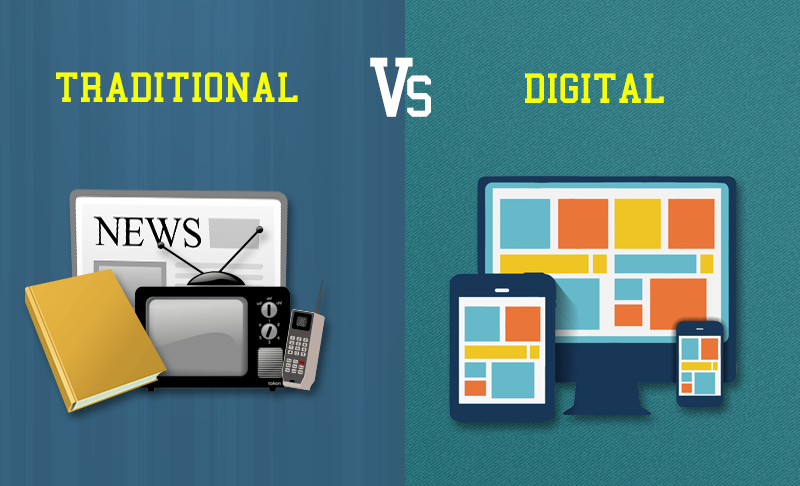
In today’s rapidly evolving communication landscape, the debate between traditional and digital publication media remains highly relevant. Both forms of media offer unique advantages and face distinct challenges, influencing how information is consumed, shared, and perceived. Understanding these differences can help businesses, publishers, and readers make informed decisions about their preferred channels.
Understanding Traditional Publication Media
Traditional publication media refers to conventional forms of communication such as newspapers, magazines, journals, and printed newsletters. These media channels have been the backbone of information dissemination for centuries.
Advantages:
- Credibility and Trust: Many readers perceive printed content as more reliable due to its long-standing presence and editorial rigor.
- Tangible Experience: Physical copies provide a sensory experience that digital formats cannot replicate, often leading to higher reader engagement.
- Targeted Local Reach: Traditional media can effectively cater to local communities, offering tailored content relevant to specific demographics.
Challenges:
- High Production Costs: Printing, distribution, and storage can be expensive, limiting scalability.
- Limited Reach: Physical copies cannot compete with the global accessibility of digital platforms.
- Slower Updates: Unlike digital media, printed content cannot be updated in real-time, which can make it less timely for fast-moving news.
The Rise of Digital Publication Media
Digital publication media encompasses online newspapers, blogs, e-magazines, social media posts, and newsletters delivered through email or mobile apps. This form of media has grown exponentially due to internet accessibility and technological innovation.
Advantages:
- Instant Accessibility: Digital media allows information to be published and accessed instantly across the globe.
- Interactive Content: Multimedia integration—such as videos, hyperlinks, and infographics—enhances engagement and understanding.
- Cost Efficiency: Digital publishing eliminates printing and distribution costs, making it more economical for both publishers and readers.
- Data-Driven Insights: Analytics tools provide valuable information about audience behavior, allowing publishers to tailor content effectively.
Challenges:
- Information Overload: The sheer volume of digital content can overwhelm readers, reducing attention spans and engagement.
- Credibility Concerns: Misinformation and unverified content can spread quickly online, affecting trustworthiness.
- Technological Dependency: Access to digital publication media requires internet connectivity and compatible devices, which can exclude certain audiences.
Choosing Between Traditional and Digital Publication Media
The choice between traditional and digital publication media depends largely on the target audience, goals, and available resources. For brands and publishers aiming to reach a younger, tech-savvy demographic, digital platforms offer unparalleled reach and interaction. Meanwhile, traditional media may be better suited for audiences seeking credibility and a tactile reading experience.
A hybrid approach is increasingly popular, combining print and digital strategies to maximize reach, engagement, and trust. This allows publishers to leverage the strengths of both publication media while mitigating their individual limitations.
Conclusion
Both traditional and digital publication media continue to play essential roles in modern communication. While traditional media emphasizes credibility, tangibility, and localized engagement, digital media excels in accessibility, interactivity, and efficiency. By understanding the advantages and challenges of each, businesses, educators, and readers can make strategic choices that align with their communication objectives. The future of publication media likely lies in a balanced integration of both forms, ensuring that information remains accessible, reliable, and engaging.
