


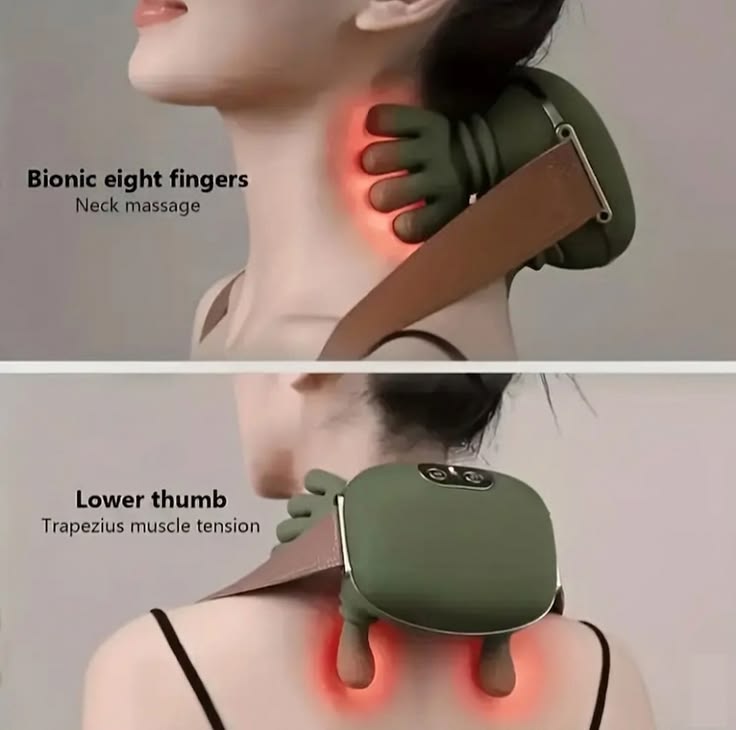
A shoulder massager can be one of the most effective tools for relieving daily tension, but its benefits depend heavily on how it is used. Even a high-quality device with advanced kneading, heat, and ergonomic design can feel uncomfortable or less effective if it is not positioned correctly or used with proper technique.
Safe and effective use is not complicated. It comes down to understanding posture, placement, intensity control, and timing. When these elements work together, the massage feels more natural, targeted, and comfortable.
Why Proper Positioning Matters
The shoulders and neck are complex muscle groups that require precise alignment during massage. If the device is slightly off-position, it may miss key tension points or apply uneven pressure.
Muscle Alignment Is Key
The trapezius muscles run from the neck down to the upper back. A correctly positioned massager ensures the nodes sit directly over these areas, where tension typically builds.
Even Pressure Distribution
Proper placement allows the massage nodes to distribute force evenly. Poor positioning can concentrate pressure in one area, leading to discomfort instead of relief.
Improved Device Efficiency
When aligned correctly, the device does not need higher intensity to be effective, which reduces strain and increases comfort.
Step-by-Step Guide to Correct Positioning
1. Sit or Stand in a Neutral Posture
Start by keeping your spine straight and shoulders relaxed. Avoid slouching forward or leaning too far back, as this affects alignment.
A neutral posture allows the massager to sit naturally across the shoulders.
2. Place the Device Evenly on Both Shoulders
Drape the massager so that both sides sit symmetrically. The nodes should rest just above the shoulder line, not too far forward or backward.
This ensures balanced pressure on both trapezius muscles.
3. Adjust Neck Alignment
The neck portion of the device should gently support the base of the neck without forcing it into an unnatural angle. Small adjustments can make a big difference in comfort.
4. Check Node Contact Points
Once in place, make sure the massage nodes are touching areas of tension. You should feel light pressure before turning the device on Neck and Shoulder Massager.
Choosing the Right Intensity
Intensity settings play a major role in comfort and effectiveness. More power does not always mean better results.
Start Low
Begin with a low or gentle setting to allow your muscles to adapt. This is especially important if your shoulders are already tense.
Gradually Increase
Once the muscles begin to relax, you can increase intensity if needed for deeper relief.
Match Intensity to Condition
- Light tension → low intensity
- Moderate stiffness → medium intensity
- Deep knots → higher intensity
Avoid jumping directly to the highest setting.
Using Heat Safely and Effectively
Many shoulder massagers include heat therapy, which enhances relaxation but must be used correctly.
Allow Warm-Up Time
Heat systems often take a few minutes to reach optimal temperature. Let the device warm up before expecting full effect.
Use Moderate Heat Settings First
Start with lower heat levels to ensure comfort, especially during longer sessions.
Combine Heat with Kneading
Heat works best when paired with massage motion, as warm muscles respond more easily to pressure.
Ideal Session Length
More time does not always equal better results. Overuse can lead to temporary soreness or overstimulation.
Recommended Duration
Most users benefit from:
- 10–15 minute sessions for daily use
- Short breaks between longer sessions if needed
Avoid Overuse
Extended continuous use can reduce effectiveness and may cause discomfort.
Best Times to Use a Shoulder Massager
Timing can influence how effective your massage feels.
After Work or Study
Helps release accumulated tension from sitting and screen use.
Before Bed
Promotes relaxation and supports better sleep quality.
During Short Breaks
Quick sessions help reset muscle tension during busy days.
Maintaining Good Posture During Use
Your posture while using the device affects its performance.
Sit Upright or Slightly Reclined
This keeps the shoulders aligned with the massage nodes.
Avoid Slouching
Slouching reduces contact between the device and key muscle areas.
Keep Shoulders Relaxed
Let the device do the work instead of tensing your muscles.
Common Mistakes to Avoid
Even simple mistakes can reduce comfort or effectiveness.
Incorrect Positioning
Misalignment is the most common issue and can lead to uneven pressure.
Starting at Maximum Intensity
This can cause muscles to tighten instead of relax.
Ignoring Body Feedback
If something feels uncomfortable, adjust immediately rather than pushing through.
Using It for Too Long
Long sessions can lead to temporary soreness or fatigue.
Safety Considerations
While shoulder massagers are generally safe, responsible use is important.
Avoid Direct Bone Pressure
Massage nodes should target muscle areas, not directly press on bones or joints.
Be Cautious with Sensitive Areas
If you have injuries or chronic conditions, use lower intensity settings.
Stop if Pain Occurs
Massage should feel firm but not painful.
Enhancing Your Massage Experience
Small adjustments can significantly improve results.
Combine with Heat and Breathing
Deep breathing helps the body relax more fully during massage.
Use After Light Stretching
Gentle shoulder rolls or neck stretches can prepare muscles for deeper relief.
Stay Consistent
Regular short sessions are more effective than occasional long ones.
When to Avoid Use
There are times when it may be better to avoid massage:
- Acute injury or inflammation
- Severe pain without diagnosis
- Skin irritation in the area
In such cases, professional advice is recommended.
Final Thoughts
A shoulder massager is most effective when it is used with proper positioning, appropriate intensity, and mindful timing. The device is designed to support your muscles, but how you use it determines the quality of the experience.
By maintaining correct posture, starting at comfortable settings, and keeping sessions consistent but controlled, you can significantly improve comfort and reduce daily tension.
When used correctly, a shoulder massager becomes more than a device—it becomes a reliable part of your recovery routine, helping your body reset, relax, and stay balanced throughout the day.