


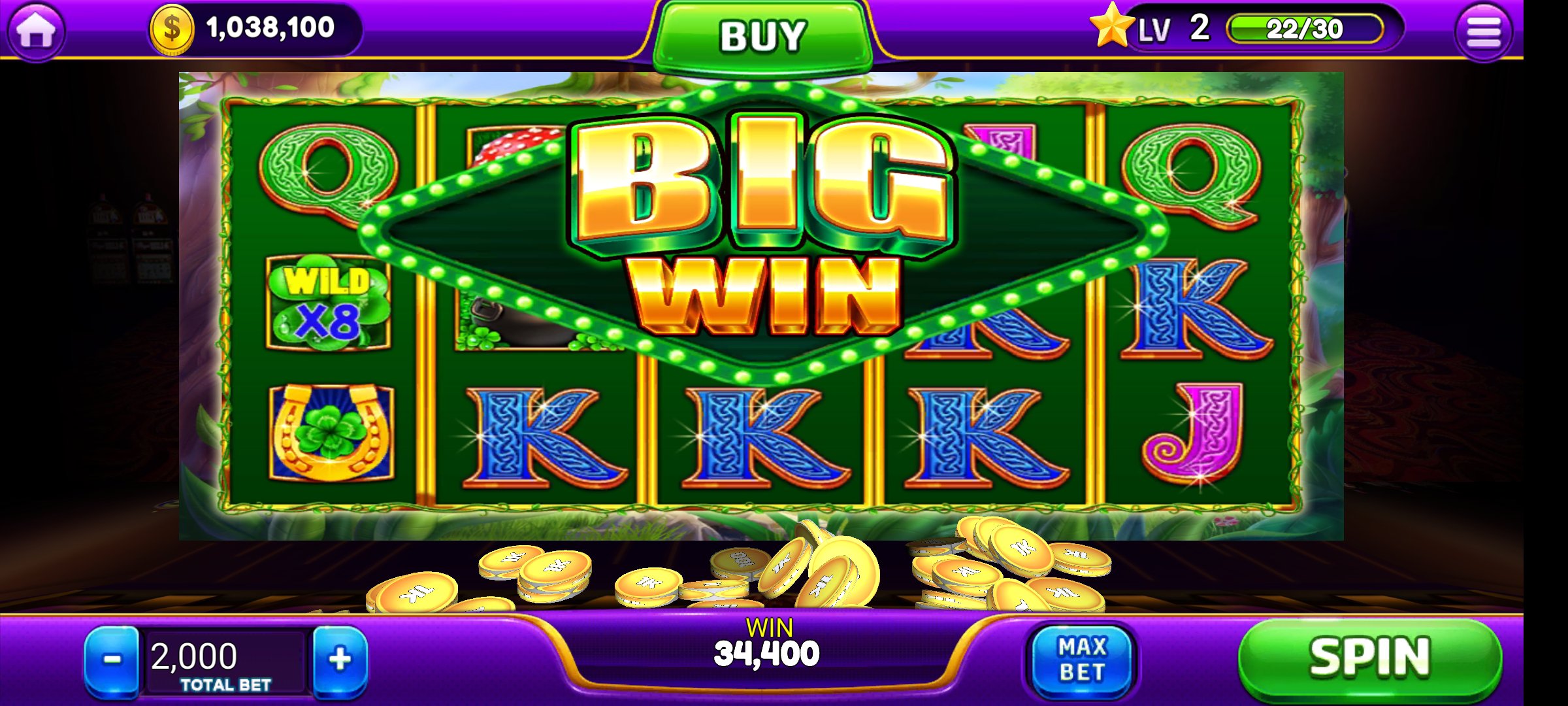
Slot machines have changed dramatically since the days of simple three-reel mechanical games. While classic reels remain popular, modern developers have introduced grid-based games that offer new ways to create winning combinations, bonus features, and interactive experiences.
Grid slots vs. classic reels represents more than a difference in appearance. The two formats can use fundamentally different approaches to slot zeus winning, symbol movement, bonus mechanics, and game presentation.
Understanding the differences can help players recognize how modern slot design has evolved and what makes grid-based games so different from traditional reel machines.
What Are Classic Reel Slots?
Classic reel slots are based on the traditional structure associated with early mechanical machines.
A typical classic game may feature:
- Three or five reels
- A limited number of paylines
- Familiar symbols
- Straightforward payout combinations
- Simple bonus mechanics
Traditional slots often rely on matching symbols along predetermined paylines.
For example, three matching symbols might need to appear across a particular line to create a winning combination.
The format is easy to understand, which is one reason classic reel games continue to attract players.
What Are Grid Slots?
Grid slots use a different visual and mechanical structure.
Instead of emphasizing traditional reels and paylines, a grid slot presents symbols in a matrix of rows and columns.
A game might feature a 5×5, 6×5, or even larger grid.
The exact dimensions vary between games.
Winning combinations can be determined through different systems, including clusters, adjacent symbols, or other custom mechanics.
This gives developers considerably more flexibility when designing gameplay.
The Visual Difference
The most obvious distinction is appearance.
Classic slots typically emphasize vertical reels spinning from top to bottom.
Grid games often look more like a digital game board.
Symbols are arranged across the screen in rows and columns, creating space for additional mechanics.
This visual difference is particularly useful for games that rely on cascading symbols or large-scale bonus animations.
How Classic Paylines Work
Traditional slots generally use paylines to determine winning combinations.
A payline may run:
- Horizontally
- Diagonally
- In a zigzag pattern
- Through specific positions on the reels
The player may be able to select the number of active paylines.
Each line can have its own qualifying combination.
This structure makes the relationship between symbols and payouts relatively straightforward.
How Grid Slots Create Wins
Grid slots can use several alternative methods.
One popular system is cluster pays.
Instead of requiring symbols to appear on a predetermined line, the game may award a win when a certain number of matching symbols appear adjacent to one another.
Another format may award wins based on matching symbols appearing on consecutive reels.
Some games combine grid structures with ways-to-win systems.
The important point is that a grid does not automatically imply one specific payout method.
The game’s rules determine how winning combinations are calculated.
Cascading Symbols
Cascades are one of the most recognizable features of modern grid-based games.
When a winning combination appears, the winning symbols may disappear.
New symbols then fall into the empty spaces.
If the replacement symbols create another qualifying combination, another cascade occurs.
This process can continue for multiple stages.
The result is a chain reaction that allows one spin to produce several consecutive winning events.
Why Cascading Mechanics Are Popular
Cascades add movement and anticipation to the game.
Instead of the action ending immediately after one winning combination, players can watch the grid change repeatedly.
A single spin can therefore become a longer sequence of events.
Developers can also introduce escalating multipliers or special symbols during consecutive cascades.
This creates additional opportunities for dramatic bonus sequences.
Classic Reels Can Also Be Feature-Rich
It would be incorrect to assume that classic reel games are always simple.
Modern five-reel slots can include:
- Free spins
- Wilds
- Scatters
- Multipliers
- Expanding symbols
- Sticky wilds
- Bonus games
- Progressive jackpots
The difference is primarily structural.
Classic reels usually preserve the reel-and-payline framework, while grid slots often use more flexible layouts and winning systems.
The Influence of Video Games
Grid-based slot design has similarities to mechanics found in video games and puzzle games.
Cascading symbols, collecting objects, unlocking features, and progressive bonus stages can make a casino game feel more interactive.
This is part of a broader trend toward gamification in digital gambling products.
Developers are increasingly using mechanics that players may already recognize from other forms of digital entertainment.
Cluster Pays Explained
Cluster-pay mechanics are particularly common in grid slots.
Instead of requiring a straight line, a game might require a certain number of identical symbols touching each other.
For example, five matching symbols connected horizontally or vertically might form a qualifying cluster.
The exact rules vary.
Some games count only orthogonally connected symbols, while others may include diagonal connections.
Players should always consult the paytable to understand the specific system.
Ways-to-Win Grid Games
Some grid games use a ways-to-win structure.
In this system, matching symbols may need to appear on consecutive reels rather than along a specific line.
The number of possible combinations can depend on how many symbols appear on each reel or position.
This can create hundreds, thousands, or even millions of potential ways to win.
However, a large number of ways does not automatically mean better financial results.
Players still need to consider RTP, volatility, bet size, and the game’s payout structure.
Bonus Features in Grid Slots
Grid-based games provide developers with plenty of space for creative bonus mechanics.
A bonus round might introduce:
- Larger grids
- Special symbols
- Multipliers
- Extra rows
- Locked positions
- Expanding areas
- Collecting mechanics
- Free spins
- Jackpot events
Because the entire screen can change during a bonus, these games can feel more interactive than traditional reel formats.
Classic Reels and Simplicity
One major advantage of classic reels is simplicity.
A player can often understand the basic rules within minutes.
The paytable typically explains which symbols create wins and how much those combinations pay.
For players who prefer straightforward gameplay, this simplicity can be attractive.
There is less emphasis on complicated chains, evolving grids, or multi-stage bonus mechanics.
Grid Slots and Complexity
Grid games can be more complicated.
A single game may include several layers of mechanics.
Players might need to understand:
- Cluster requirements
- Cascades
- Multipliers
- Special symbols
- Bonus triggers
- Grid transformations
- Maximum-win conditions
This complexity can be entertaining, but it makes reading the paytable especially important.
Volatility Differences
Grid slots are not automatically more volatile than classic reel games.
Volatility depends on the game’s mathematical design.
A grid slot can be low, medium, or high volatility.
The same applies to classic reel slots.
However, cascading mechanics and large multipliers can contribute to dramatic swings in certain grid-based games.
Players should look at the individual game’s specifications rather than assuming volatility based purely on format.
RTP Is Still Important
Regardless of whether a game uses reels or a grid, RTP remains an important mathematical concept.
RTP represents the theoretical long-term percentage a game is designed to return.
A grid game does not inherently have a higher RTP than a classic slot.
Similarly, a traditional reel game is not automatically more favorable.
Players should compare the actual published RTP of individual games.
Maximum Wins
Modern grid games often advertise large maximum-win multipliers.
Cascading mechanics, multipliers, and special features can create theoretical payout possibilities worth thousands of times the stake.
Classic reel games can also offer large payouts.
The maximum-win figure should be viewed as a theoretical upper limit rather than an expected result.
A huge maximum win does not mean that a player is likely to reach it during an ordinary session.
Mobile-Friendly Design
Grid slots are particularly well suited to digital displays.
The large grid can use the entire screen, making room for animated symbols and bonus sequences.
On smartphones and tablets, this can create a visually engaging experience without requiring physical reels.
Classic reel slots have also adapted well to mobile platforms, but their traditional layout can feel more familiar to players transitioning from physical machines.
Which Format Is Easier to Understand?
For beginners, classic reels may be easier initially.
A simple three- or five-reel game can have very straightforward rules.
Grid slots may require more time to understand because their winning systems vary considerably.
However, once a player understands concepts such as clusters and cascades, many grid games become relatively intuitive.
The paytable remains the best source of information.
Which One Offers Better Odds?
There is no universal answer.
The format itself does not determine whether a game offers better mathematical value.
A particular classic slot might have a higher RTP than a particular grid slot.
Another grid game could have a higher RTP than another classic reel game.
Players should compare individual games rather than judging an entire category.
The Role of Player Preference
Choosing between grid slots and classic reels often comes down to entertainment preferences.
Players who enjoy:
- Familiar casino experiences
- Straightforward paylines
- Traditional symbols
- Simple mechanics
may prefer classic reels.
Players who enjoy:
- Cascades
- Grid-based gameplay
- Interactive bonus features
- Large visual effects
- Complex mechanics
may prefer modern grid slots.
Neither preference is objectively better.
Grid Slots and the Future of Casino Design
Grid-based games represent part of a broader shift toward more interactive digital casino experiences.
Developers are experimenting with new ways to combine gambling mechanics and entertainment design.
Future games may use increasingly sophisticated animation, adaptive interfaces, narrative elements, and game-inspired mechanics.
The goal is to create experiences that feel more dynamic than traditional reel spinning.
Responsible Gambling Still Applies
More engaging gameplay can also make it easier to lose track of time.
Cascading wins and continuous animations can create the impression that a single spin is lasting longer or producing more activity than it actually is.
Players should keep track of their spending and session duration.
Setting a predetermined budget and time limit can help maintain control.
A visually exciting grid does not change the underlying probability of the game’s outcomes.
Conclusion
Grid slots vs. classic reels represents two different approaches to modern slot design.
Classic reels build on the traditional structure of spinning reels and paylines, offering familiar gameplay that remains popular. Grid slots move toward larger symbol matrices, clusters, cascading mechanics, and more interactive bonus features.
Neither format is automatically more profitable or more likely to produce winning results. RTP, volatility, paytables, maximum-win structures, and individual game mathematics matter far more than whether a game uses reels or a grid.
For players, the best approach is to understand the mechanics before playing and choose a format based on personal entertainment preferences and a predetermined budget.
Classic reels provide the familiarity of traditional slot machines, while grid games demonstrate how far the format has evolved. Together, they show that the modern slot industry is moving toward increasingly dynamic and interactive experiences while still relying on the same fundamental principles of chance and probability.