


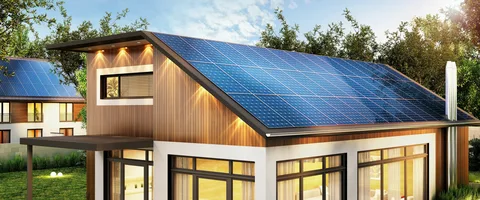
As energy costs continue to rise and environmental awareness grows, installing a solar system for your home has become an increasingly popular choice. However, choosing the right system can be overwhelming with so many options available. This guide will help you understand how to pick the right solar system for home use in 2025, ensuring you get maximum efficiency and long-term savings.
Understanding Your Energy Needs
Before diving into solar options, the first step is to evaluate your household’s energy consumption. Review your electricity bills over the past year to understand your average monthly usage in kilowatt-hours (kWh). This information is critical because it helps determine the size of the solar system you need.
- Small households may only require a 3–5 kW system.
- Medium households usually need 5–7 kW.
- Large households or homes with high energy appliances may require 7 kW or more.
Knowing your energy needs ensures that your system is neither underpowered nor excessively costly.
Types of Solar Systems
When deciding how to pick the right solar system for home use in 2025, you need to understand the main types of solar setups:
- Grid-Tied Solar Systems
These systems are connected to the local power grid and allow you to sell excess electricity back to the utility company. They are cost-effective and ideal if your area has reliable electricity. - Off-Grid Solar Systems
Off-grid systems are independent of the power grid and require batteries for energy storage. They are perfect for remote areas but tend to be more expensive. - Hybrid Solar Systems
Combining grid-tied and battery storage, hybrid systems provide energy security during outages while also allowing you to earn from surplus power.
Key Factors to Consider
Choosing the right solar system involves more than picking panels. Here are essential factors to consider:
- Efficiency: Look for high-efficiency solar panels to maximize energy production in limited roof space.
- Warranty and Lifespan: Choose a system with at least 25 years of panel warranty and a 5–10 year warranty on inverters.
- Budget: Compare upfront costs versus long-term savings. Don’t forget to check for government incentives or tax credits in 2025.
- Roof Condition: Ensure your roof is structurally sound and receives adequate sunlight throughout the day.
Installation and Maintenance
Professional installation is crucial for safety and optimal performance. After installation, regular maintenance, like cleaning panels and checking connections, will ensure your solar system operates efficiently for decades.
Conclusion
By understanding your energy needs, exploring system types, and considering efficiency and budget, you can confidently decide how to pick the right solar system for home use in 2025. Solar energy not only reduces electricity bills but also contributes to a sustainable future. Investing in the right system today means energy security and savings for years to come.
