


Hernias can be painful and disruptive, affecting daily life and overall health. While surgery is often considered the standard treatment, many individuals seek alternative solutions to manage their condition without invasive procedures. Fortunately, there are effective top non-surgical hernia treatment options available that can help alleviate discomfort and prevent further complications.
Understanding Hernias
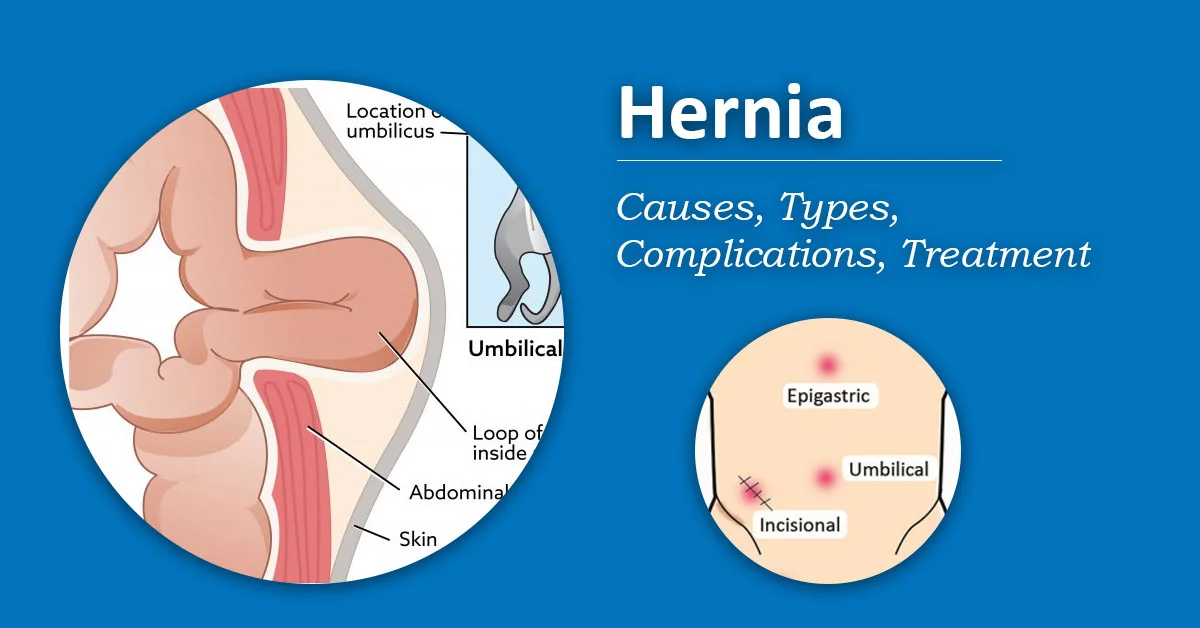
A hernia occurs when an organ or tissue pushes through a weak spot in the surrounding muscle or connective tissue. Common types include inguinal, umbilical, hiatal, and femoral hernias. Symptoms may include a noticeable bulge, pain, or discomfort, especially when bending, lifting, or coughing. Early intervention is crucial to prevent complications such as obstruction or strangulation.
Lifestyle Modifications
One of the most accessible top non-surgical hernia treatment options is making lifestyle changes. Adjusting daily habits can reduce strain on the affected area and manage symptoms effectively. Some key modifications include:
- Weight Management: Maintaining a healthy weight reduces pressure on the abdominal wall.
- Dietary Adjustments: Avoiding heavy meals and foods that cause bloating can relieve pressure, especially for hiatal hernias.
- Proper Lifting Techniques: Using correct posture and avoiding lifting heavy objects can prevent worsening of the hernia.
Use of Supportive Devices
Supportive devices such as hernia belts or trusses are another non-invasive approach. These devices help keep the protruding tissue in place and reduce discomfort during daily activities. While not a permanent solution, they are considered among the top non-surgical hernia treatment options for temporary relief.
Medications and Pain Management
For individuals experiencing pain or inflammation, medications can provide symptom relief. Over-the-counter pain relievers and anti-inflammatory drugs may reduce discomfort. Additionally, doctors may recommend medications to manage associated conditions, such as acid reflux for hiatal hernias.
When to Consider Surgery
It is important to note that while non-surgical treatments can manage symptoms and improve quality of life, they do not cure the hernia. Surgery may become necessary if the hernia becomes incarcerated, strangulated, or significantly affects daily activities. Regular monitoring and consultation with a healthcare provider ensure timely intervention if needed.
Conclusion
Hernias can significantly impact daily life, but there are effective top non-surgical hernia treatment options for managing symptoms and preventing progression. Lifestyle changes, supportive devices, and medications can provide relief for many patients. However, regular medical evaluation is crucial to determine the best course of action and avoid serious complications.
