


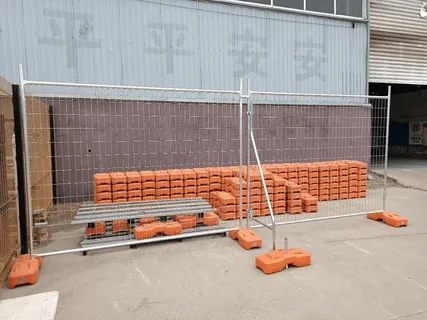
Introduction to Temporary Fencing NZ Solutions for Construction and Site Safety
Temporary fencing plays a crucial role in maintaining safety, security, and order on construction sites across New Zealand. Temporary Fencing NZ Solutions for Construction and Site Safety are designed to create secure boundaries that protect workers, the public, and valuable equipment. With increasing construction activity, reliable fencing systems have become an essential requirement for compliance and risk management.
This article explores how temporary fencing nz Solutions for Construction and Site Safety support efficient project management while ensuring safety standards are met on every site.
Why Temporary Fencing is Essential for Construction Sites
Construction environments are often high-risk areas with heavy machinery, open hazards, and restricted zones. Temporary fencing helps mitigate these risks by:
- Preventing unauthorized access
- Protecting pedestrians from site hazards
- Securing construction materials and equipment
- Reducing liability for contractors
By using Temporary Fencing NZ Solutions for Construction and Site Safety, project managers can maintain a controlled environment that minimizes accidents and disruptions.
Key Features of Temporary Fencing NZ Solutions for Construction and Site Safety
Modern temporary fencing systems in New Zealand are designed with durability and flexibility in mind. Common features include:
1. Strong and Durable Materials
Most fencing panels are made from galvanized steel, ensuring resistance to weather and corrosion.
2. Easy Installation and Removal
Temporary fencing is designed for quick setup and dismantling, making it ideal for changing project requirements.
3. Stability Accessories
Components such as rubber bases, clamps, and bracing systems ensure the fence remains stable in all conditions.
4. Customizable Layouts
Fencing can be adjusted to fit different site shapes and sizes.
These features make Temporary Fencing NZ Solutions for Construction and Site Safety highly effective for both small and large construction projects.
Benefits of Using Temporary Fencing in NZ Construction Projects
Implementing temporary fencing offers several advantages:
Enhanced Site Security
It prevents theft and vandalism by restricting access to authorized personnel only.
Improved Public Safety
Clearly marked boundaries keep pedestrians away from hazardous zones.
Regulatory Compliance
Many construction sites must meet strict safety regulations, and fencing helps achieve compliance.
Better Site Organization
Fencing helps divide work zones, improving workflow and efficiency.
Overall, Temporary Fencing NZ Solutions for Construction and Site Safety provide a practical and cost-effective approach to managing construction environments.
Applications of Temporary Fencing NZ Solutions for Construction and Site Safety
Temporary fencing is widely used across various industries, including:
- Residential building sites
- Roadworks and infrastructure projects
- Event venues requiring crowd control
- Demolition and renovation sites
In each case, Temporary Fencing NZ Solutions for Construction and Site Safety ensure controlled access and improved operational safety.
Choosing the Right Temporary Fencing Provider in NZ
When selecting a provider, consider the following factors:
- Quality and durability of materials
- Compliance with New Zealand safety standards
- Availability of installation services
- Flexibility in rental or purchase options
- Customer support and reliability
Choosing the right supplier ensures that your Temporary Fencing NZ Solutions for Construction and Site Safety deliver maximum performance and safety benefits.
Conclusion
Temporary fencing is an essential part of modern construction site management in New Zealand. From improving security to ensuring regulatory compliance, it provides a wide range of benefits. By investing in reliable Temporary Fencing NZ Solutions for Construction and Site Safety, construction companies can protect their workers, the public, and their projects while maintaining smooth operations.